Elevated Elevator Music
Code · 2026.10 →
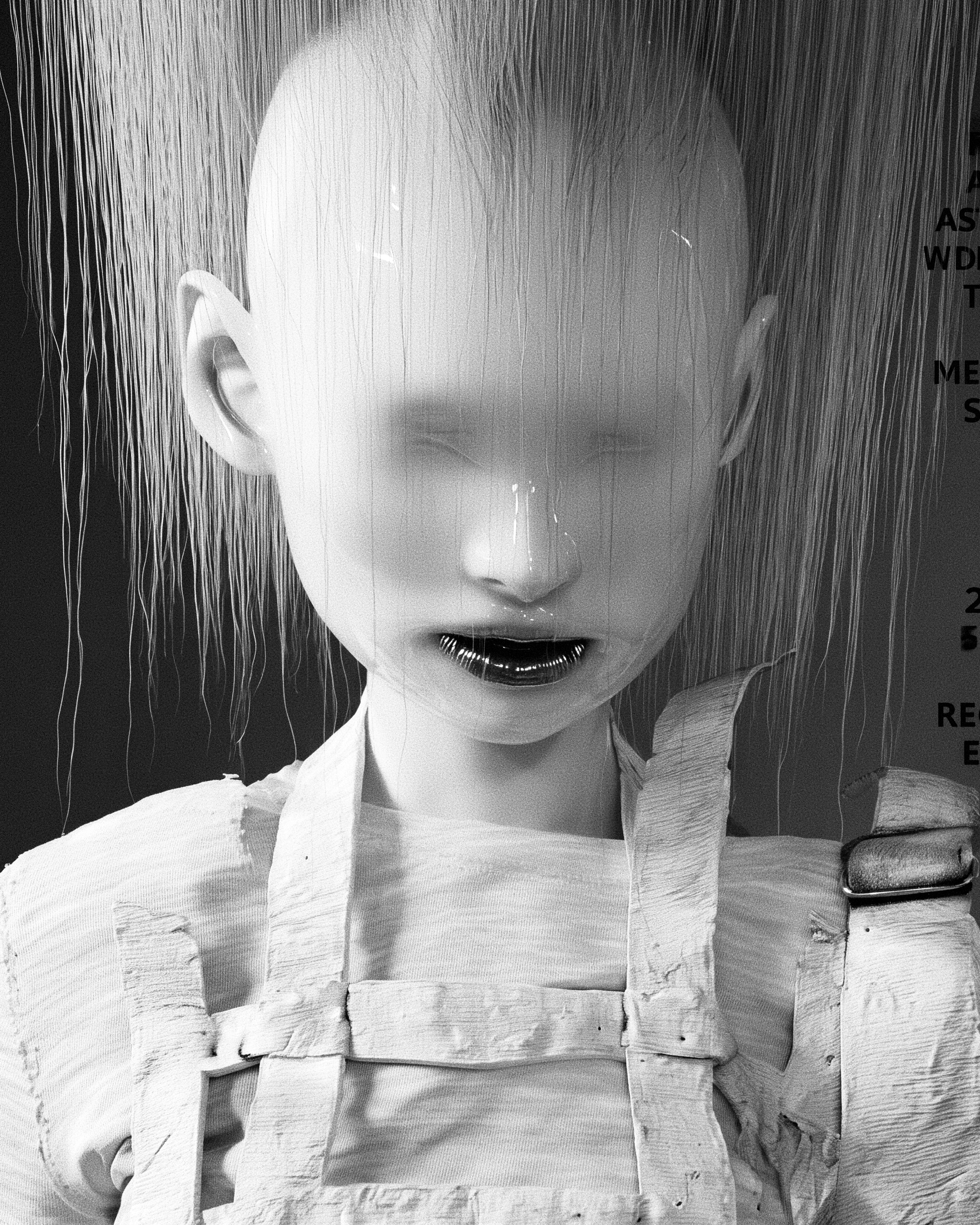
Negative Space opens Confession Turk – a digital confession booth and liturgical installation of synthetic gynoids, veiled automatons and weighted reliquaries staged inside a futuristic church.
Wire 013 · Confession Turk
The Wire · 2026.10 →
Hot Pumpkin · Confession Turk
Design · 2026.10 →
Super Intelligent Design
Design · 2026.10 →
Social Studies
Motion Studies
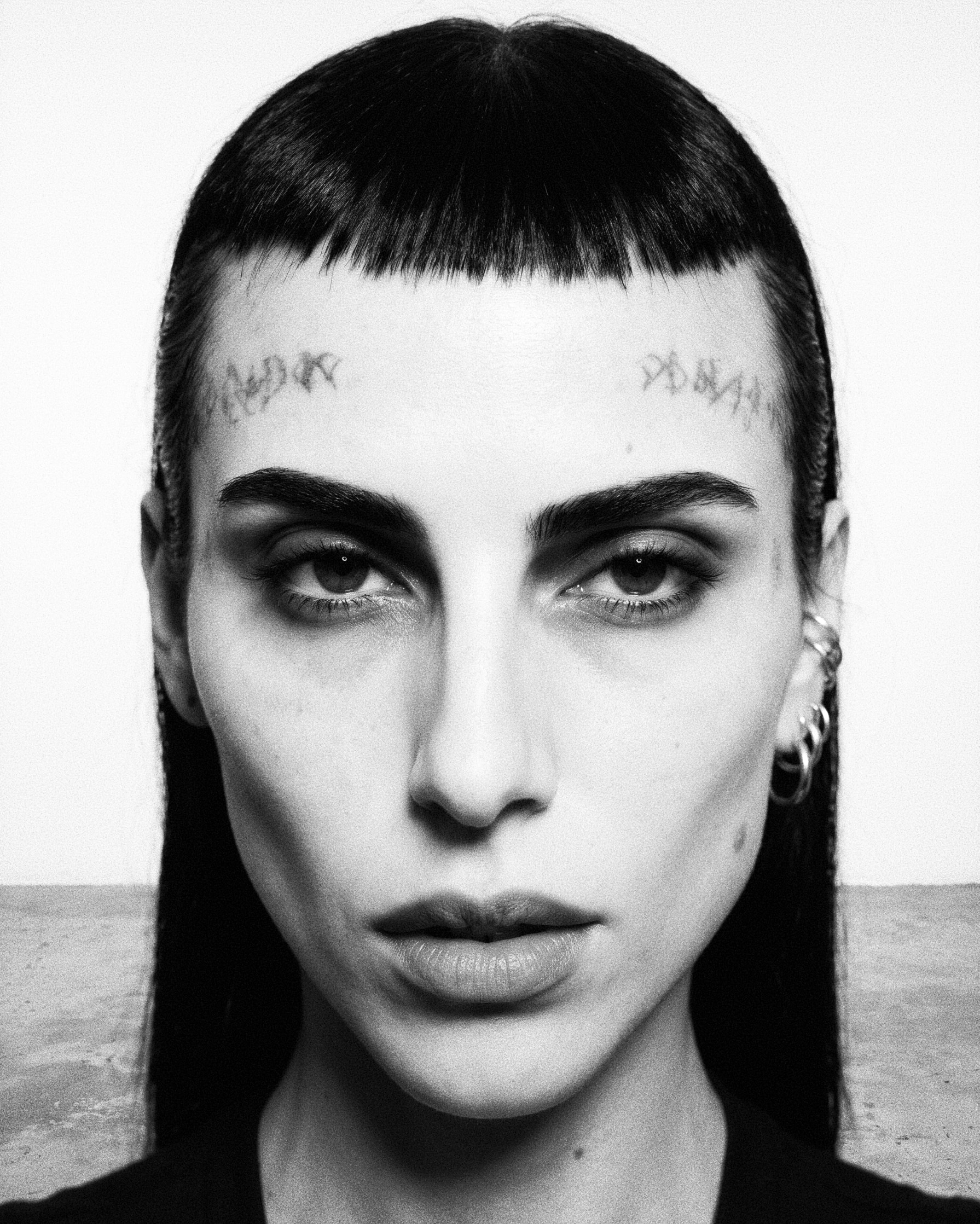
High-contrast black-and-white beauty study of Langley Fox Hemingway with short blunt fringe and eyebrow markings. Produced with the permission of Langley Fox Hemingway. Concept, casting, art direction and finish by Intelligence Matters.
Langley Fox Hemingway
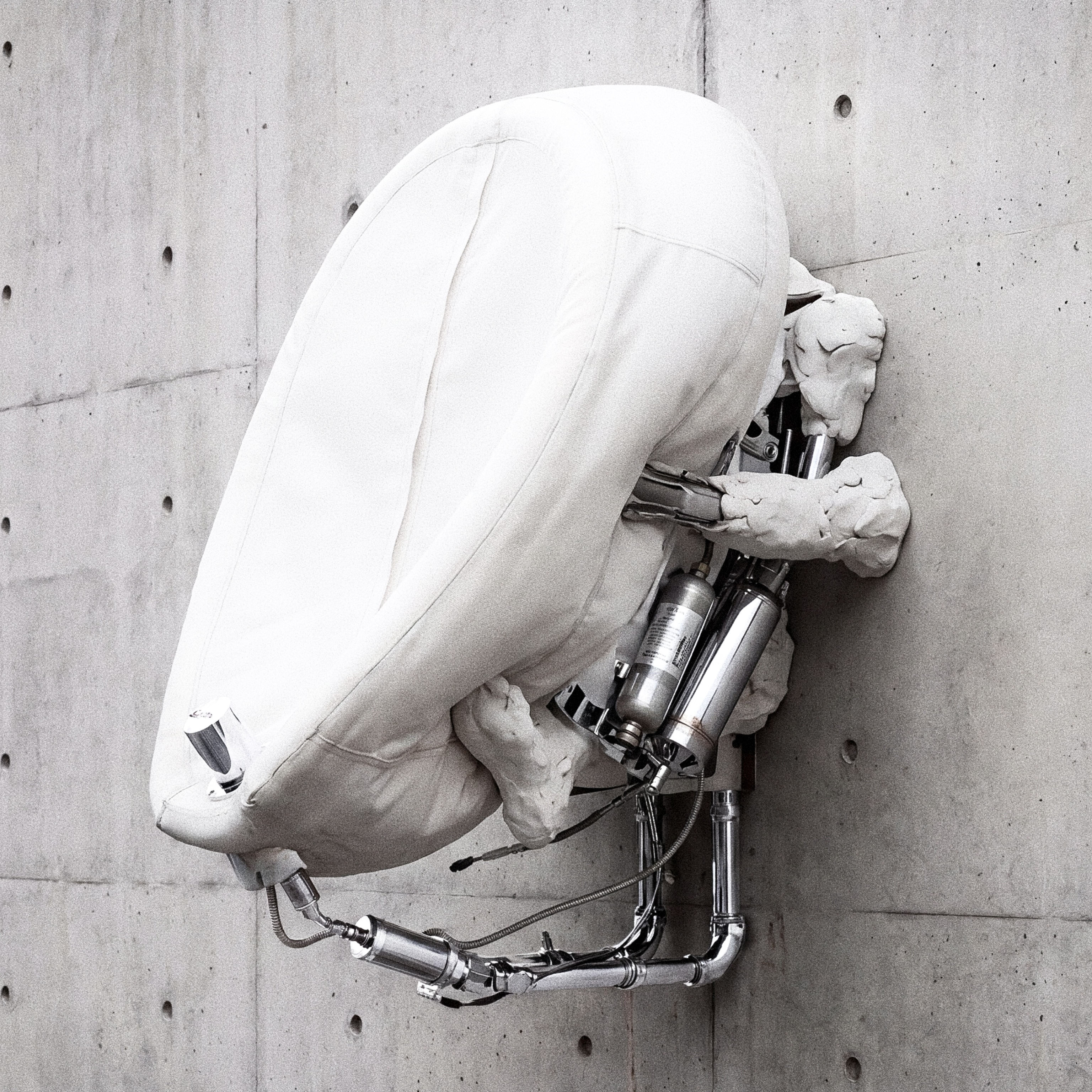
The Autocollision exhibition (Wire 007) is recycled and currently showing in The Recycle Room inside Negative Space – pneumatic wall reliefs, cutaway crash cabins and woven forensic patches.
Wire · Airbag / Recycle Room
The Wire · 2026.09 →
Museum of Tech
Code · 2026.09 →
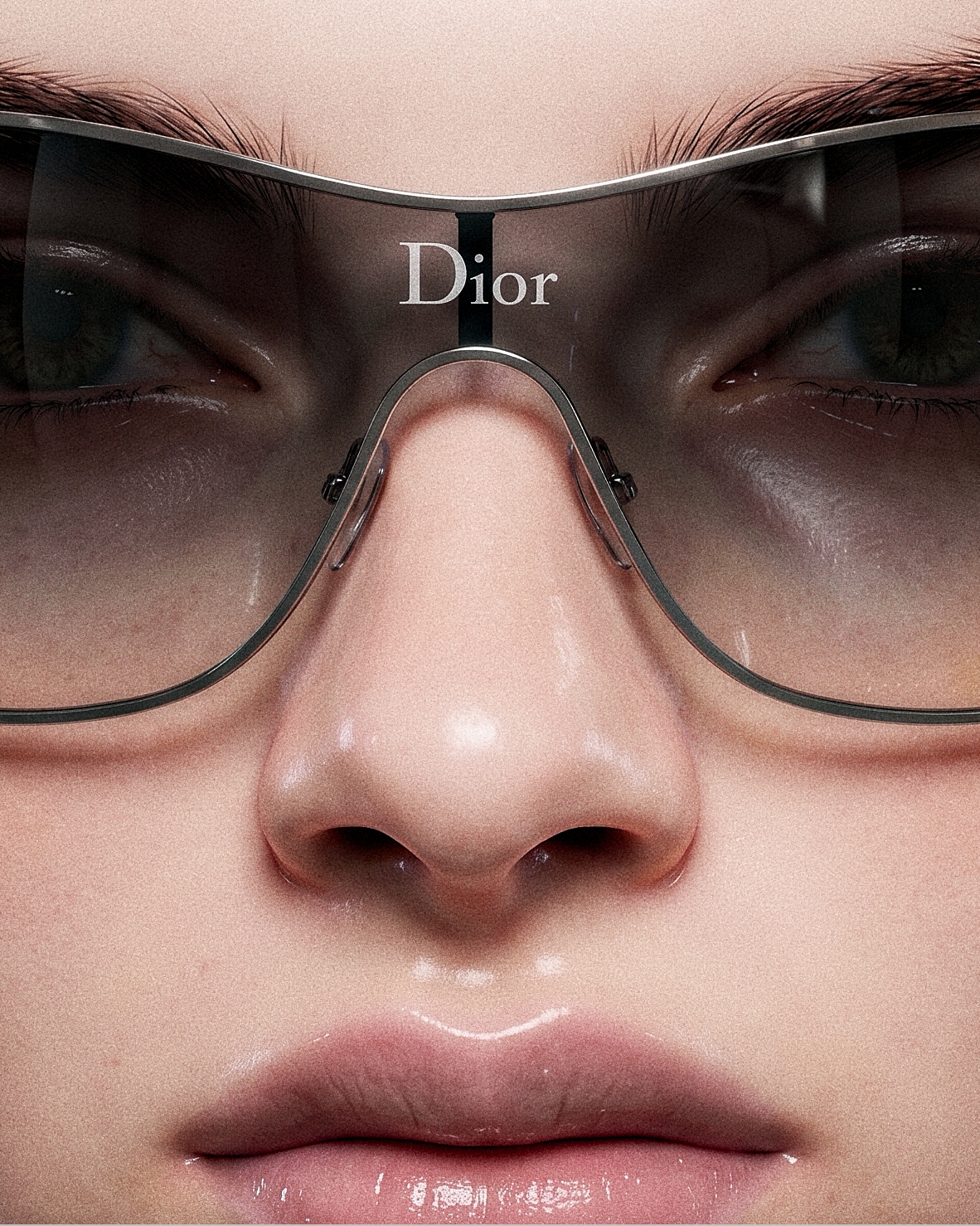
Close-up optical study of brushed metal eyewear frame and skin texture in direct light. Photography, production and finish.
Dior · Metal Bridge
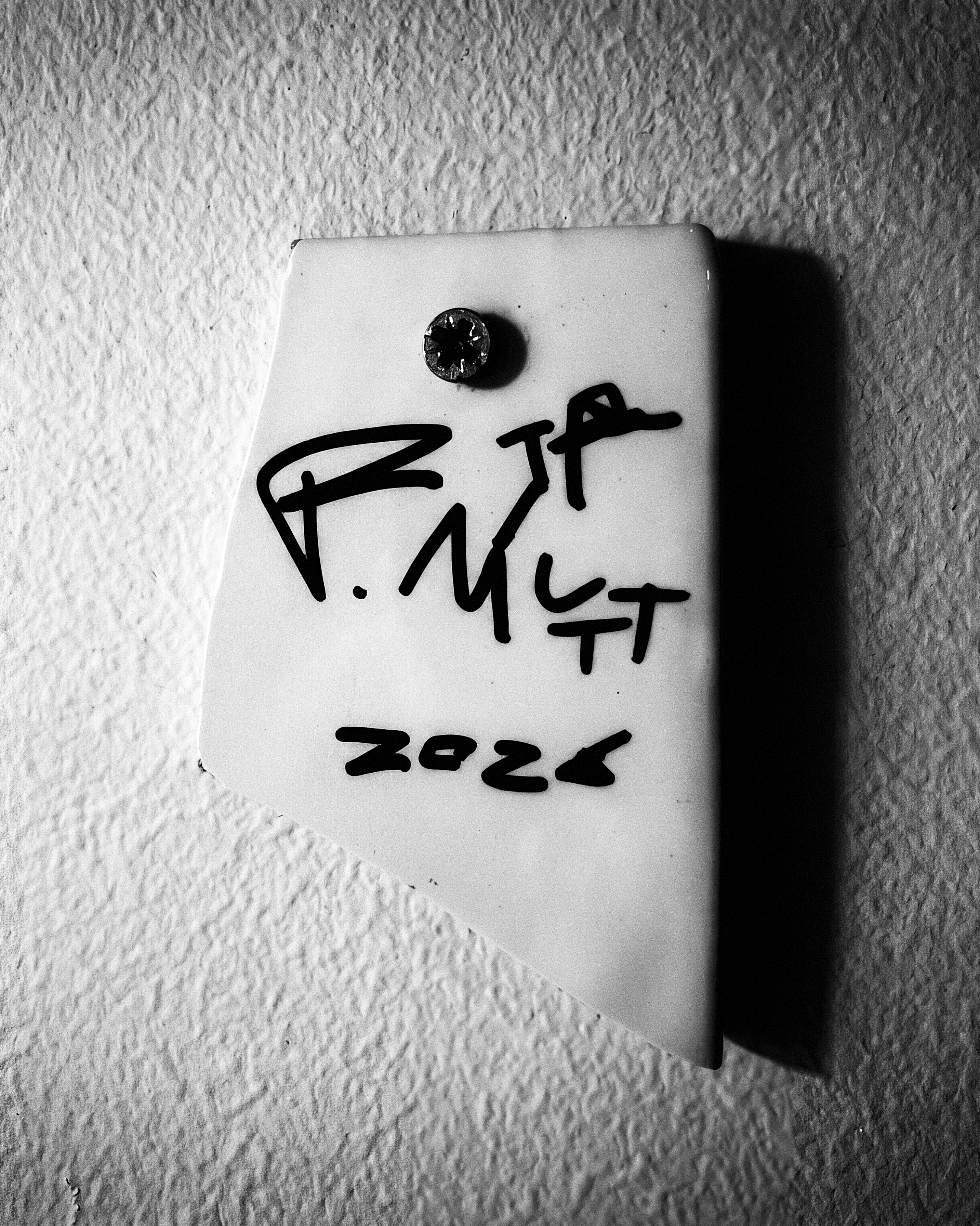
Personal work by Jacob Hägg across image, design and code. Familiar objects are placed in less familiar company inside a walkable browser exhibition. There is no client brief.
Negative Space
Code · 2026.09 →
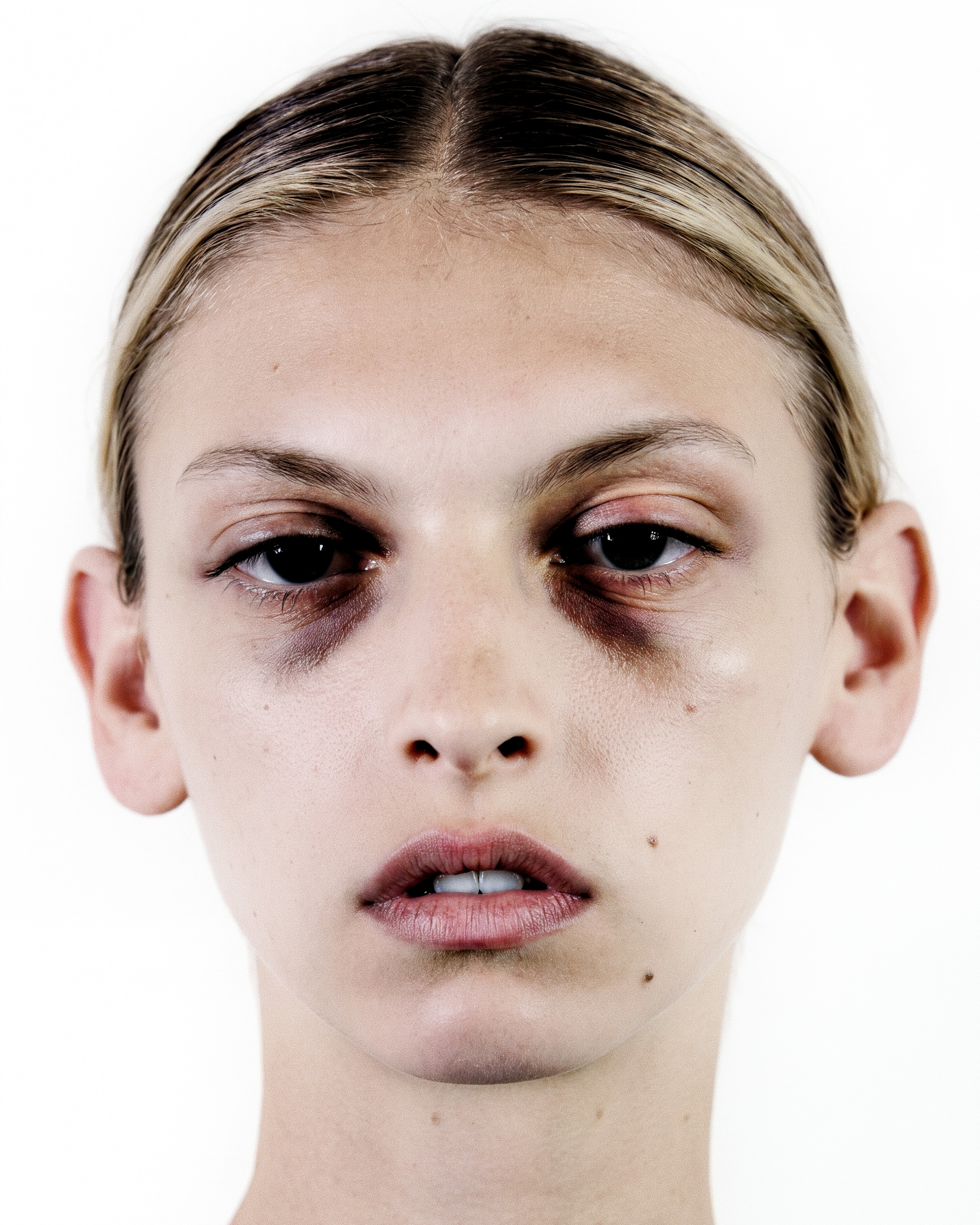
Negative Space introduces The Art Professor’s Lens across its collection – an on-screen reading apparatus organised into four tabs: Genesis, Synthesis, Critique and Receipts.
Wire 010 · Professor’s Lens
The Wire · 2026.09 →
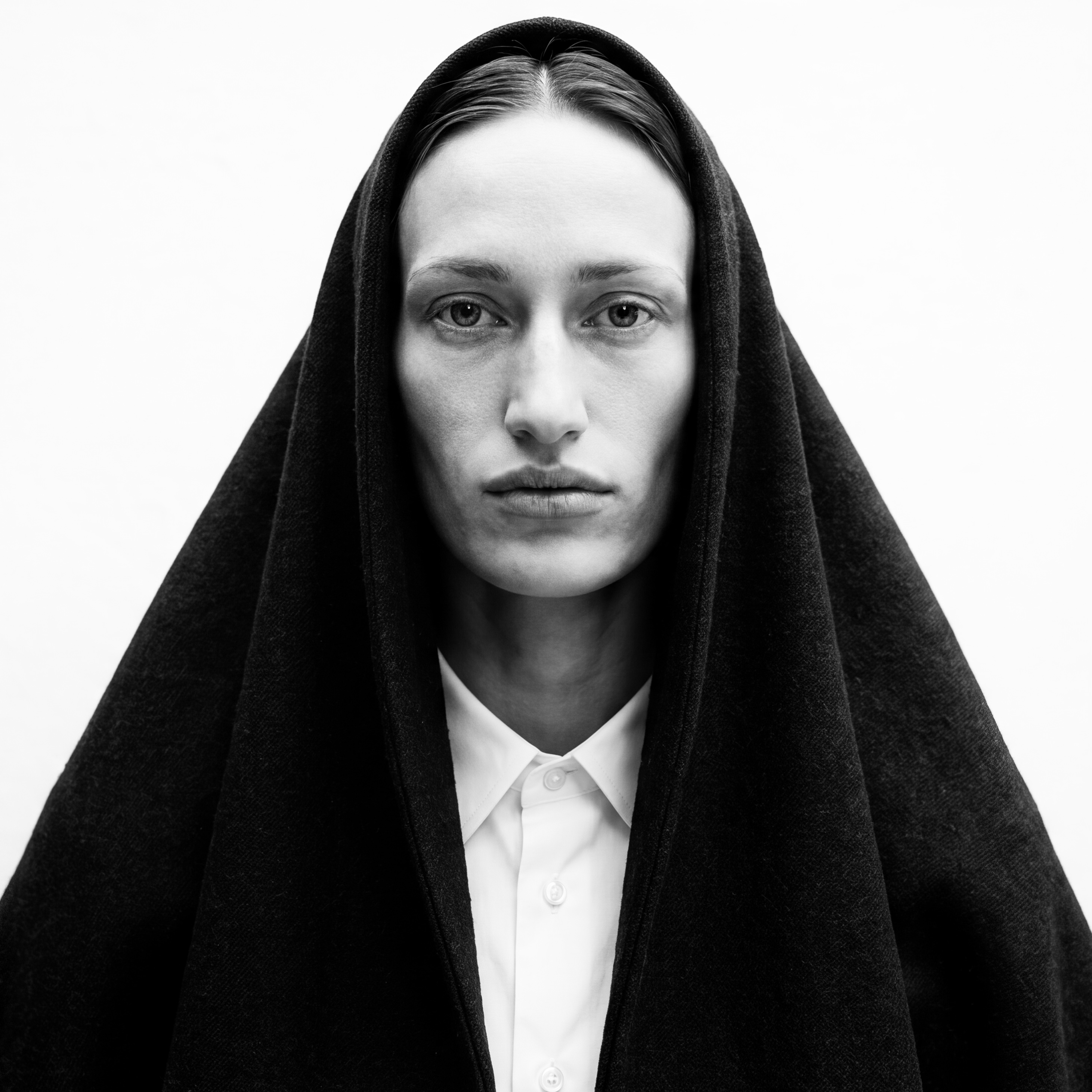
Three-frame artist image layer for musician NIIA, produced with the permission of the artist. Staged across monastic black wool, brushed aluminium headgear and high-key white leather.
NIIA
Image · 2026.08 →
A dedicated room inside Negative Space houses the nine-year archive of Brashy Studios (2011–2020), the women’s streetwear label founded by Jacob and Axel Hägg prior to Intelligence Matters.
Wire · The Brashy Room
The Wire · 2026.08 →
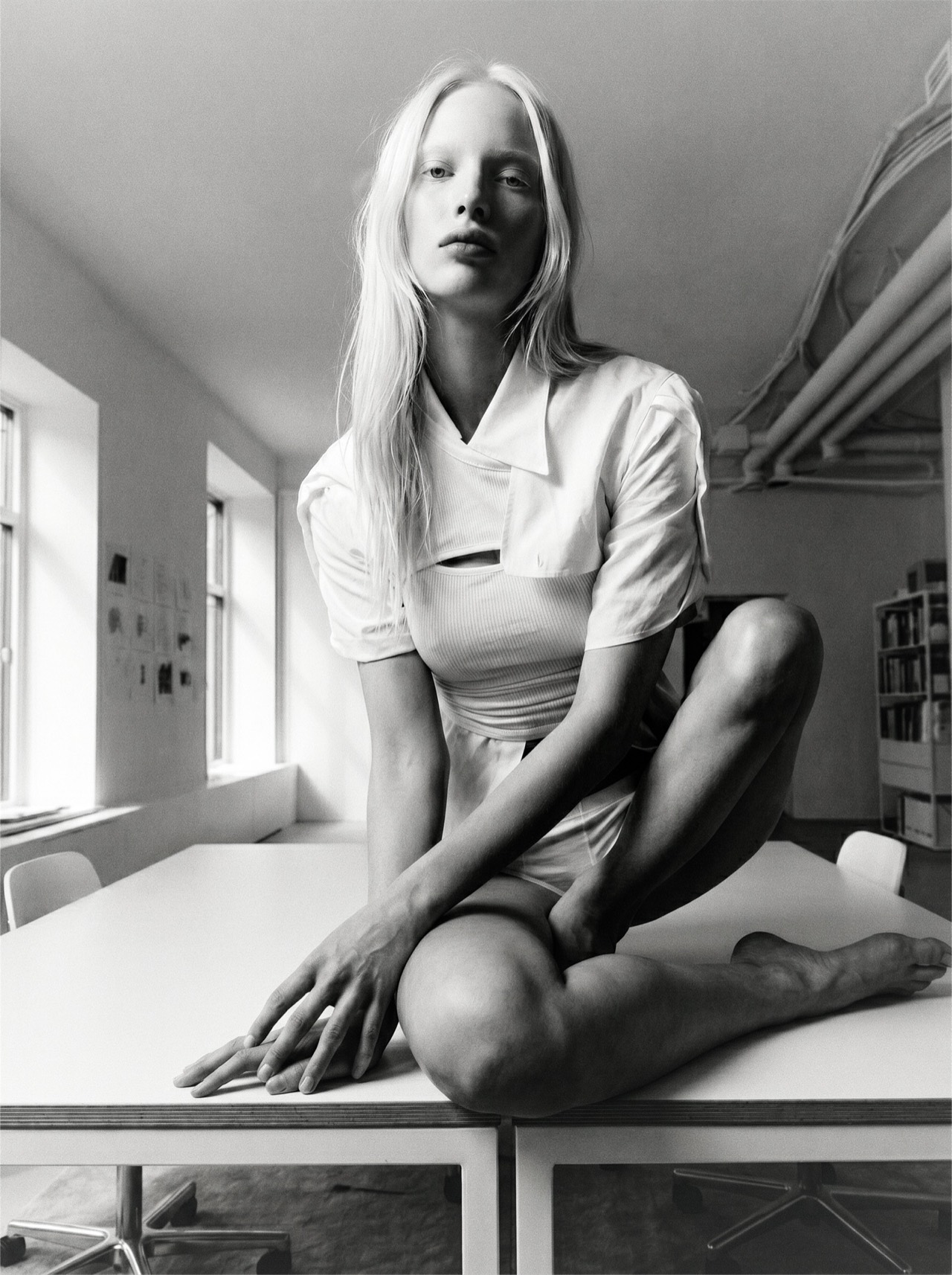
Four-frame visual-asset set conceived and produced in house for Los Angeles image-maker and model Sonya Esman, produced with the permission of the subject.
Sonya Esman
Image · 2026.08 →
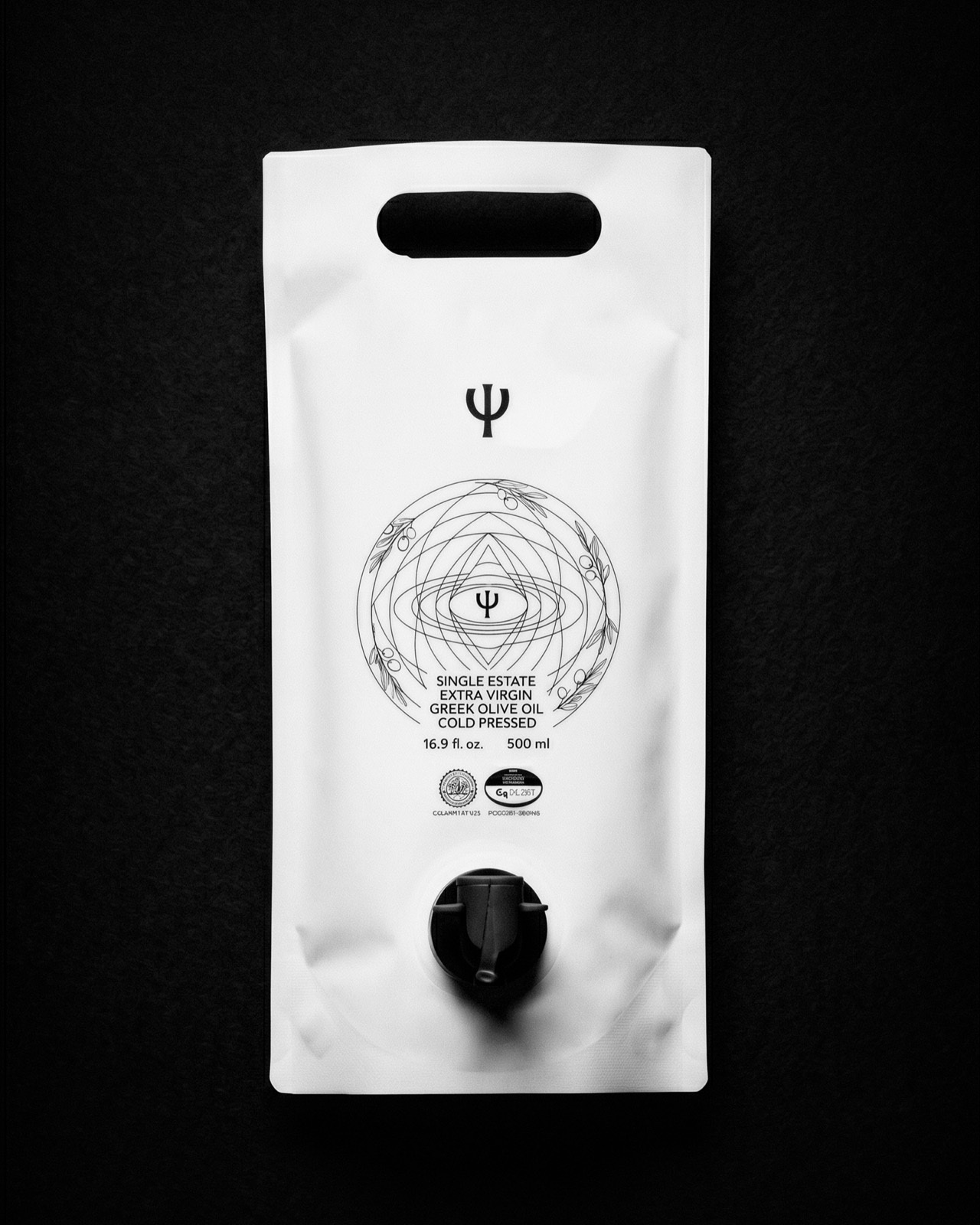
The image layer and tactile seal study for a single-estate Kalamata olive oil. Treated as an agricultural archive specimen rather than lifestyle kitchenware.
Psyche Organic
Image · 2026.08 →
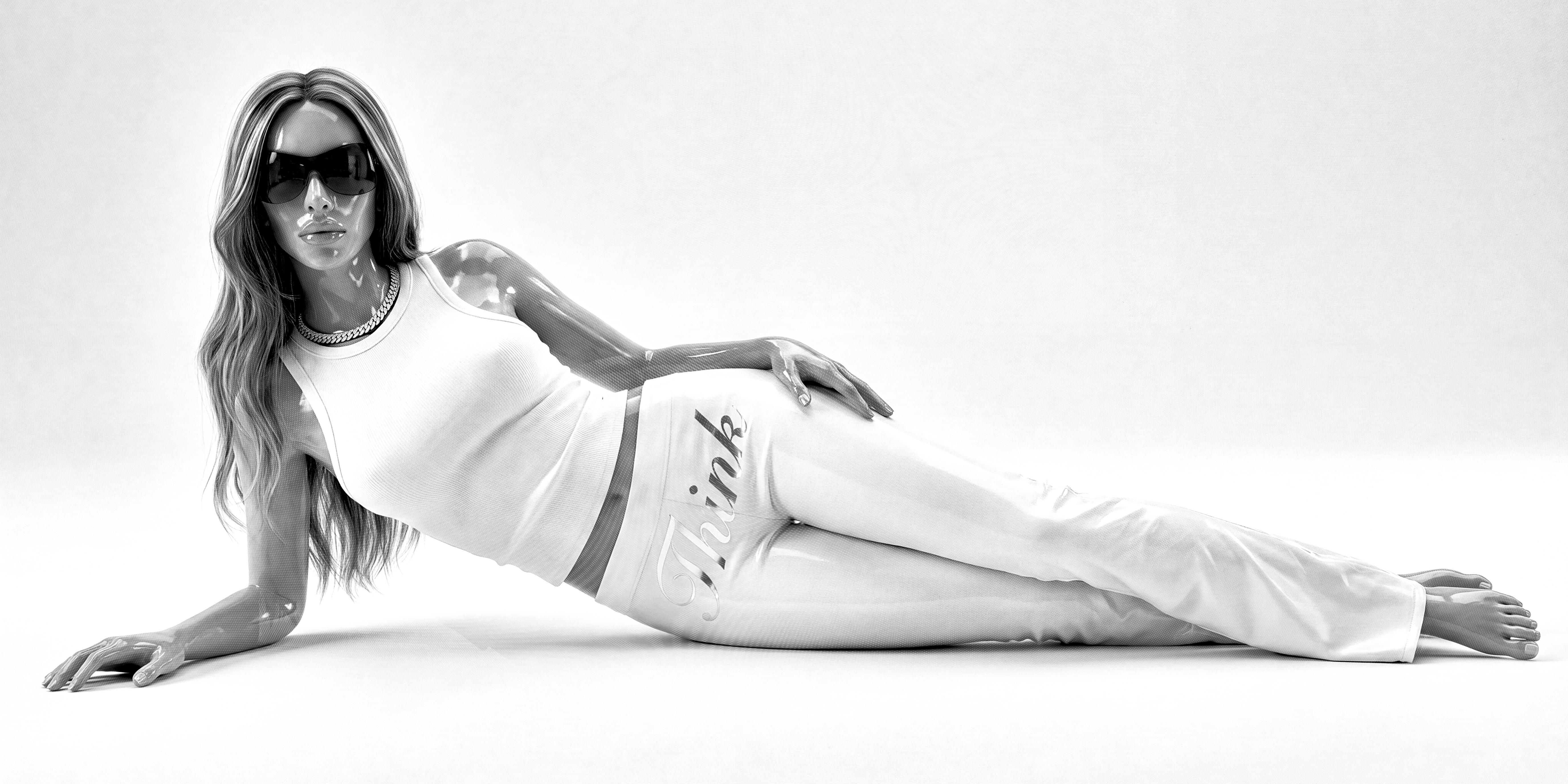
Studio portrait study of Shia Huang in dark tailoring against neutral daylight paper, produced with the permission of Shia Huang. Casting, direction and finish by Intelligence Matters.
Shia Huang
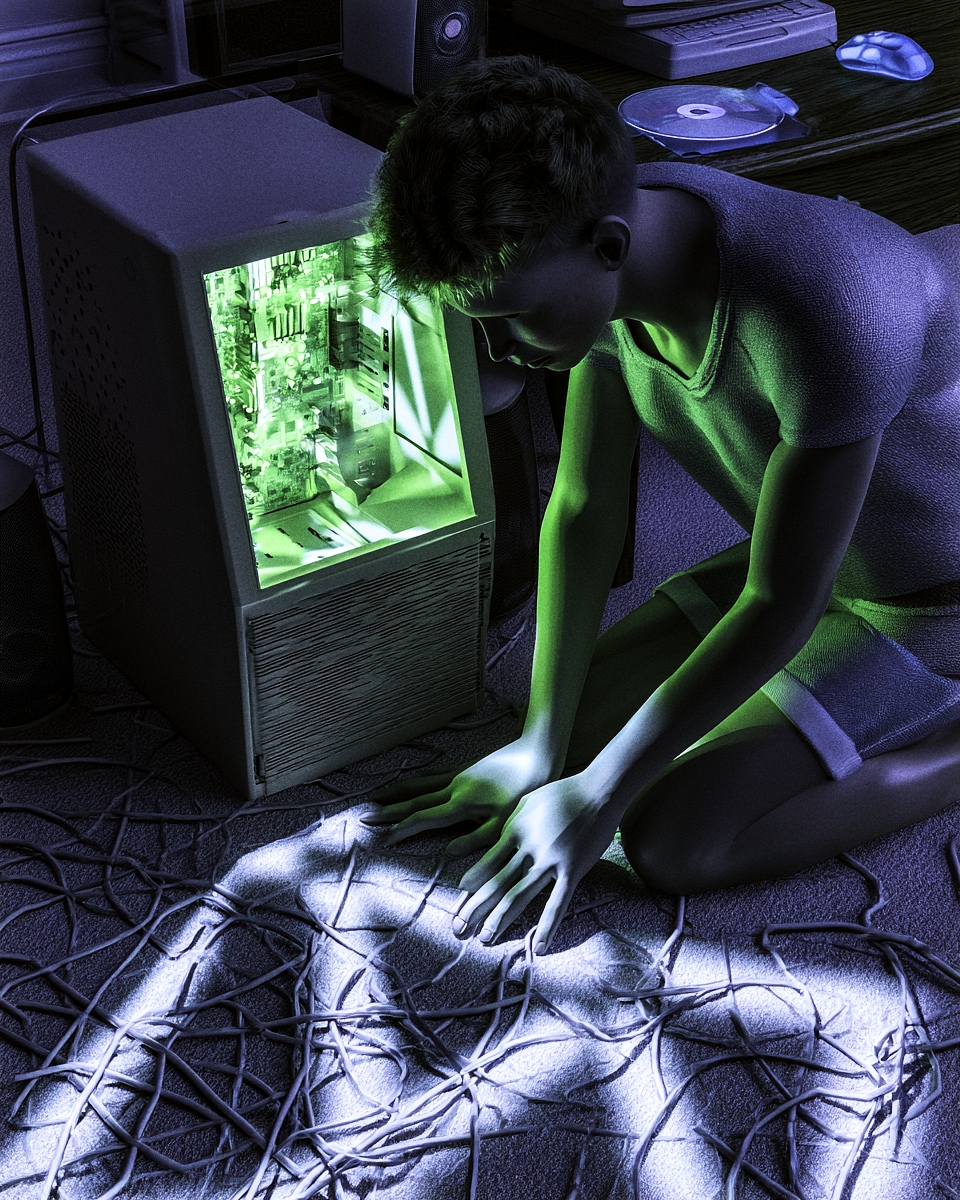
Negative Space opens its first thematic wing, Recent Archaeology (IM–RA–007 to IM–RA–023), placing five consumer artefacts from c. 1997–2007 under conservation lighting and museum vitrines.
Wire 009 · Recent Archaeology
The Wire · 2026.07 →
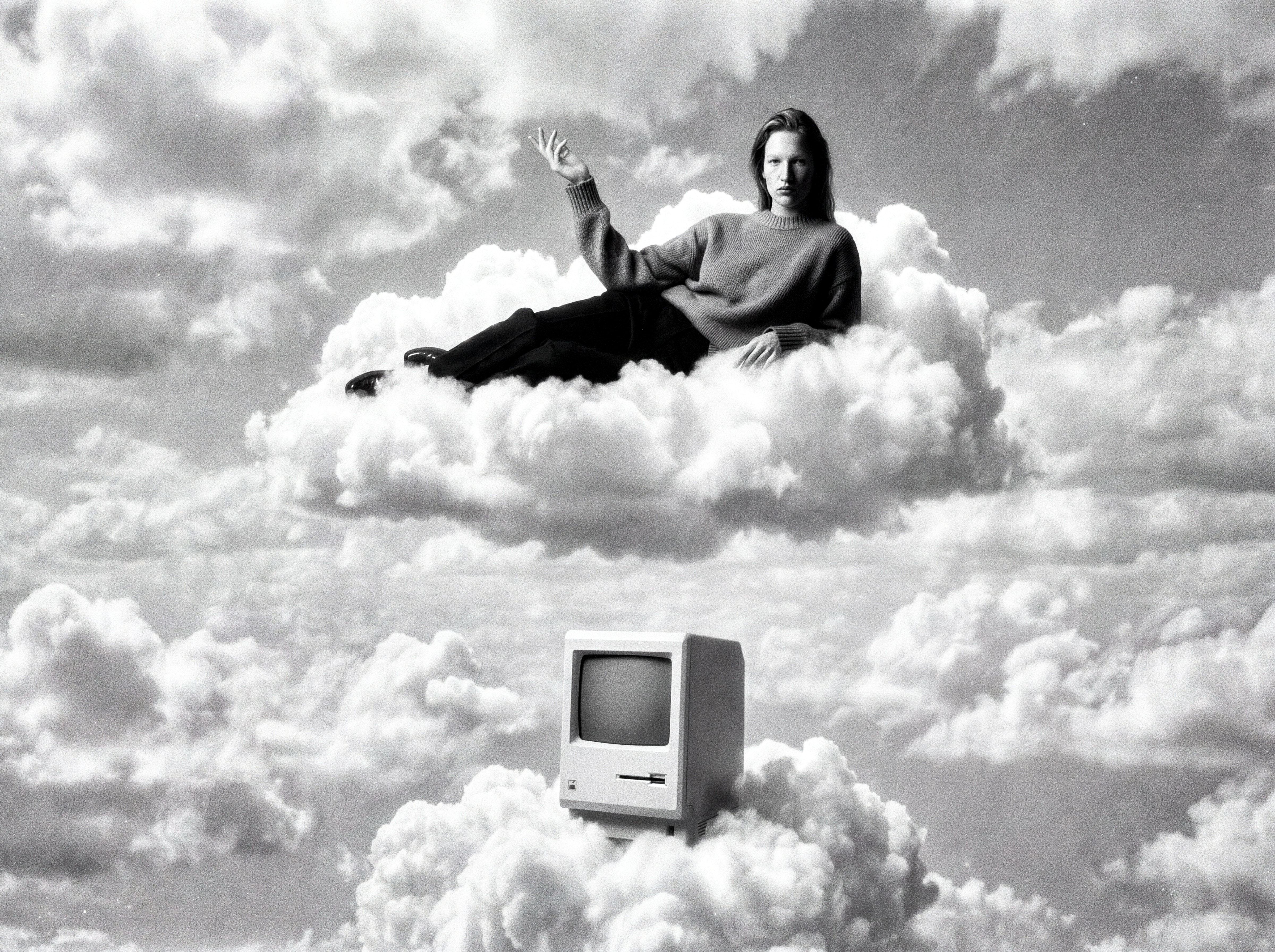
Ongoing creative direction for real-time voice software company Calleoke. This release presents the first round of image assets and visual direction.
Calleoke
Image · 2026.08 →
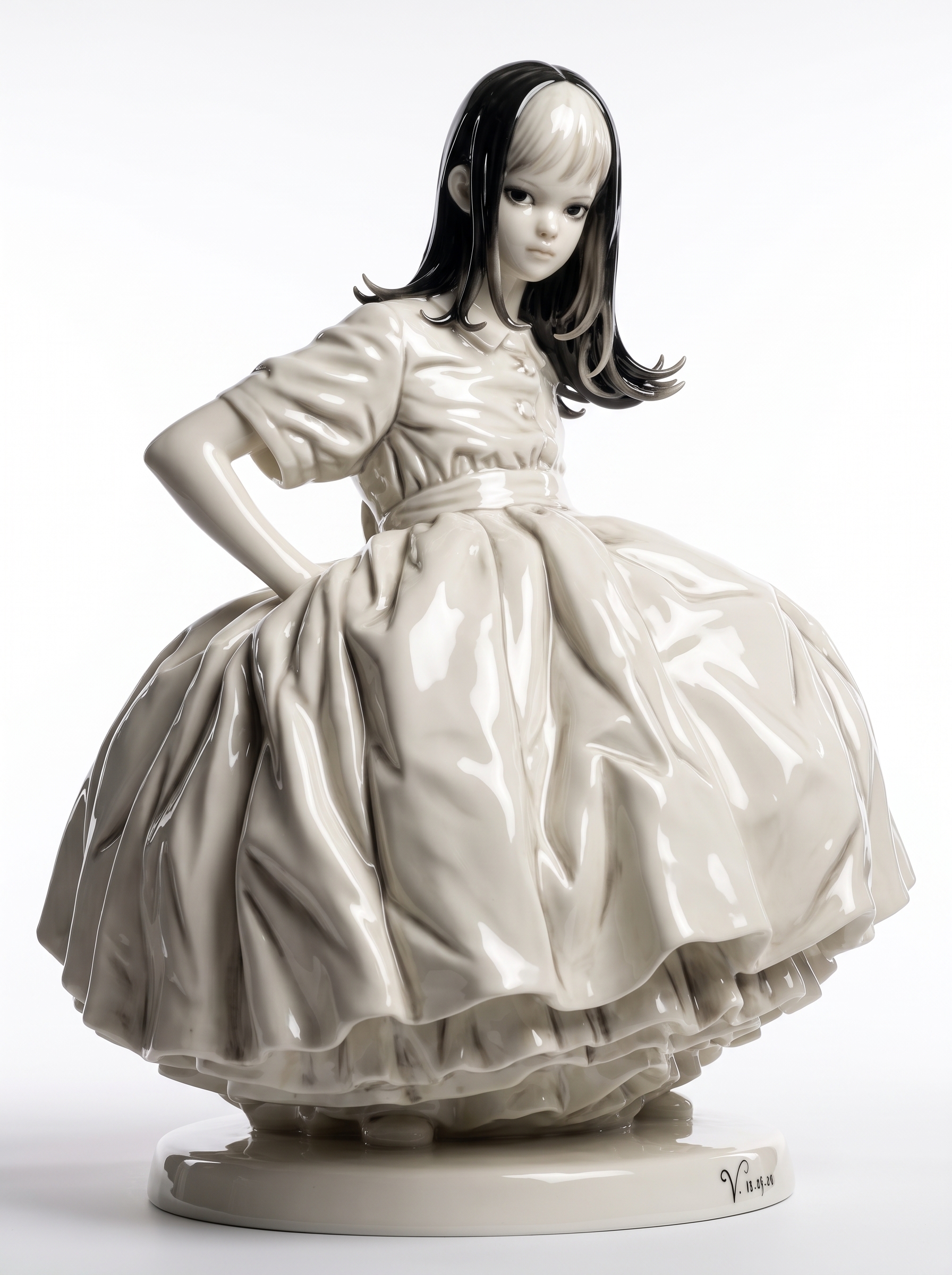
An uncommissioned six-room wing inside Negative Space translating the open-weight releases, technical reports and Hermes model lineage of Nous Research into exhibition architecture.
Wire 008 · Museum of Nous
The Wire · 2026.07 →
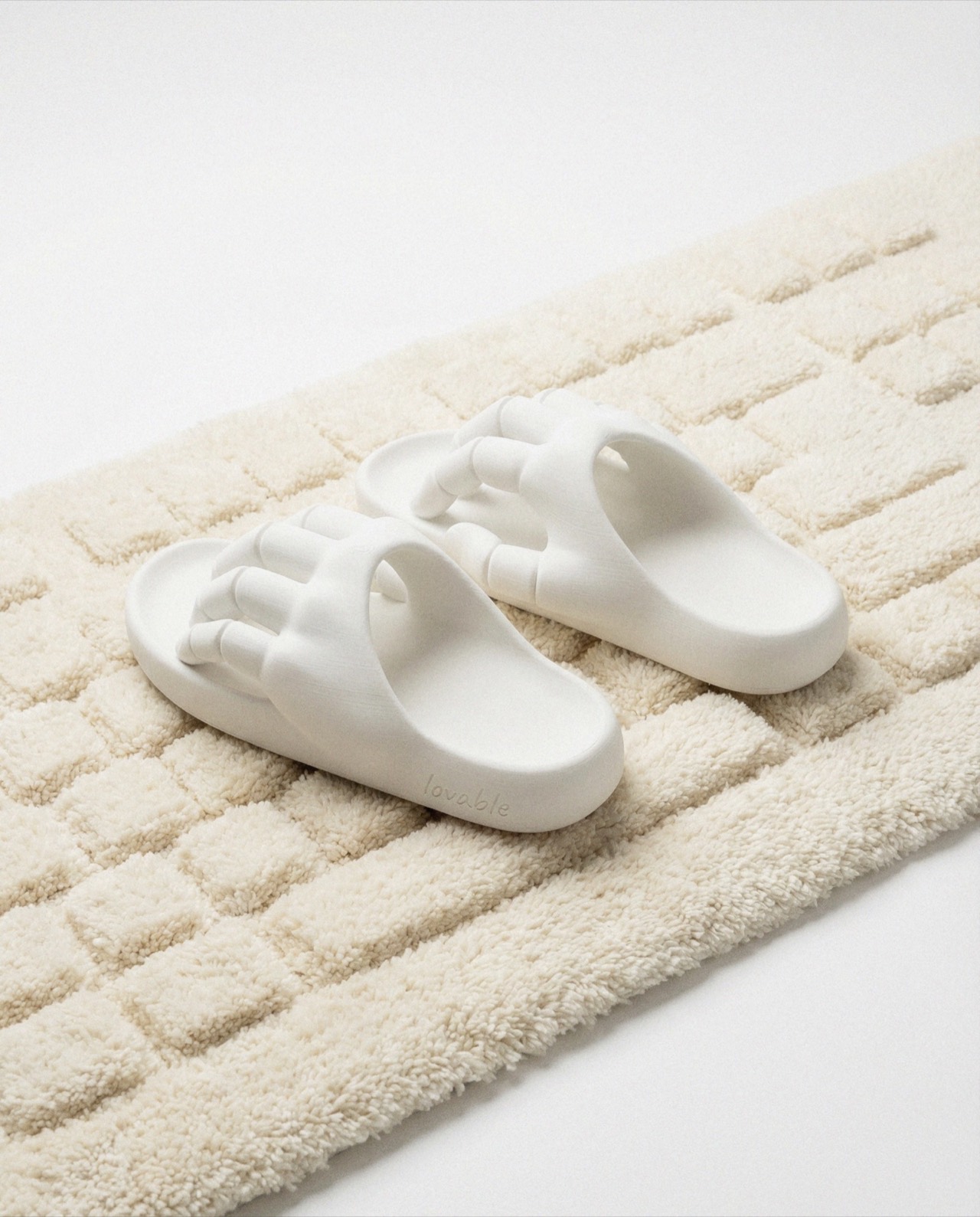
Uncommissioned footwear and campaign study translating software company Lovable into a physical hotel object – white cotton terry slippers with woven gradient hearts.
Lovable · The House Shoe
Image · 2026.07 →
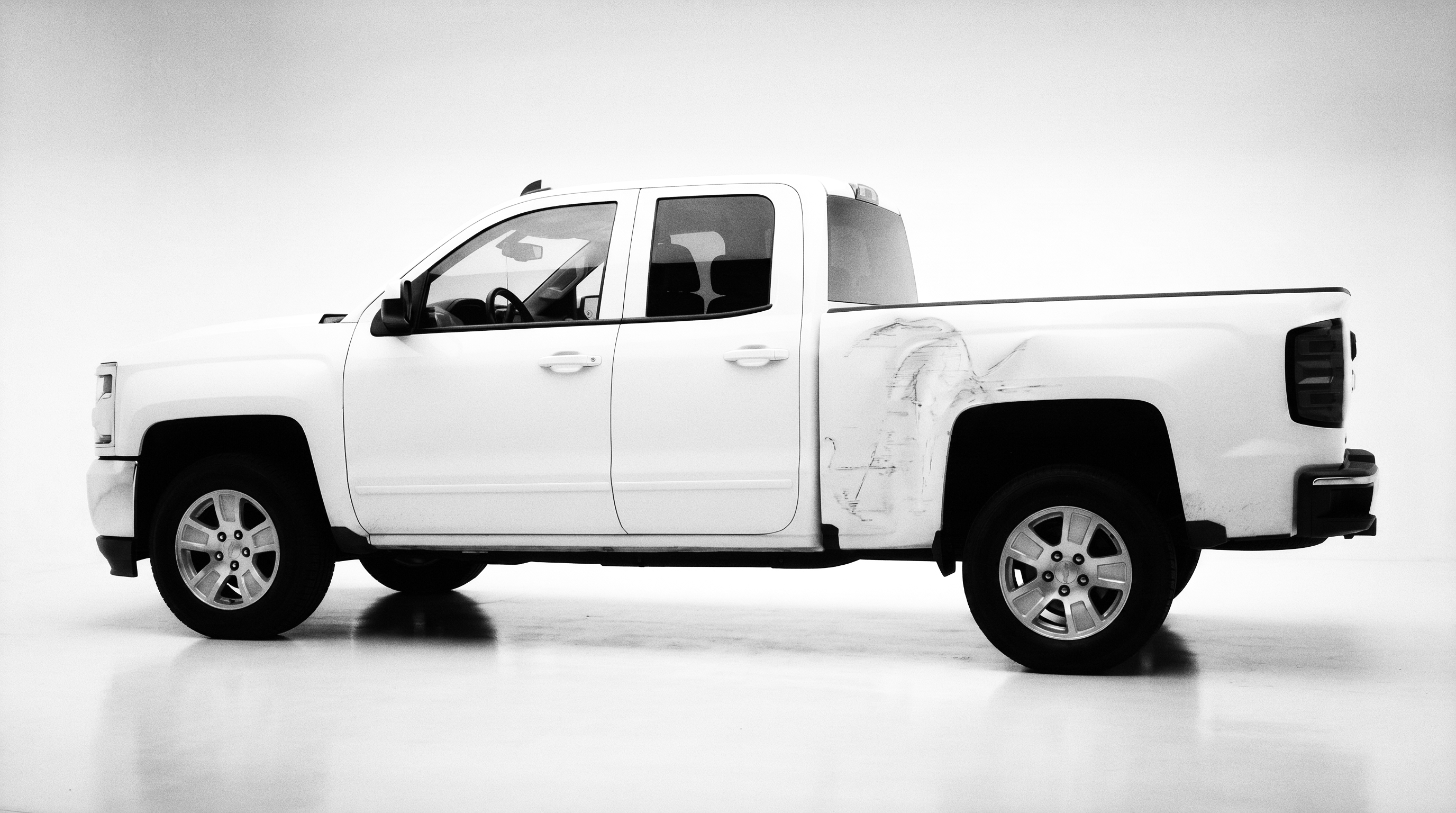
Negative Space opens in public beta. A walkable 3D browser gallery by Jacob Hägg where studio plates, sculptural props and spatial physics share a single floor plan.
Wire 007 · Collision Detection
The Wire · 2026.07 →
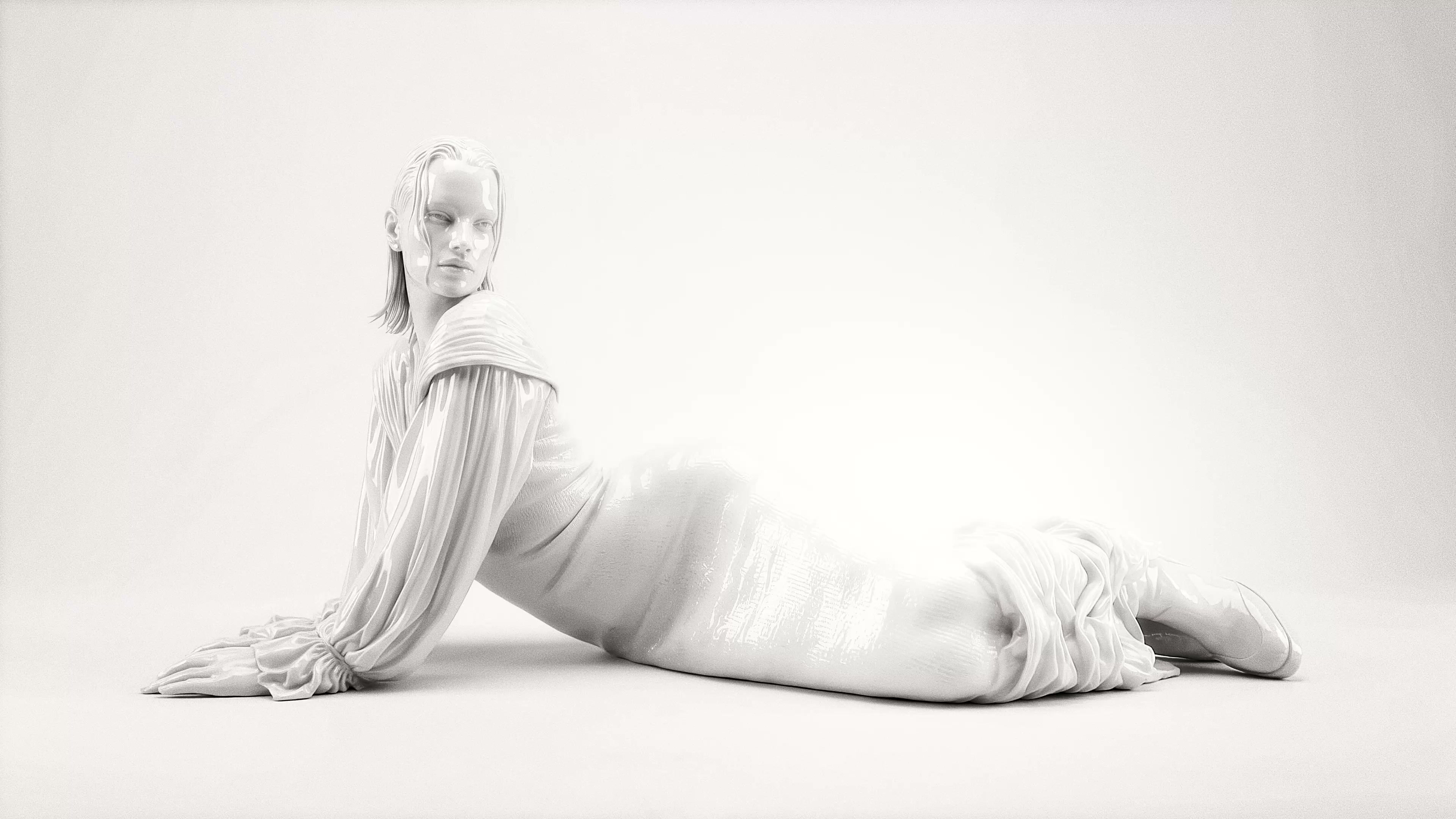
Code-native 3D porcelain object running live in the browser. Code used as a sculptural material, shaping behaviour as closely as appearance.
Porcelain XL
Code · 2026.07 →
im@intelligence-matters:~$ think-code
A vision exists a priori—absolute, but compressed.
It does not invent the idea; it violently expands it.
Selection determines the truth. The final form follows.
Think Code · The Method
Code · 2026.07 →
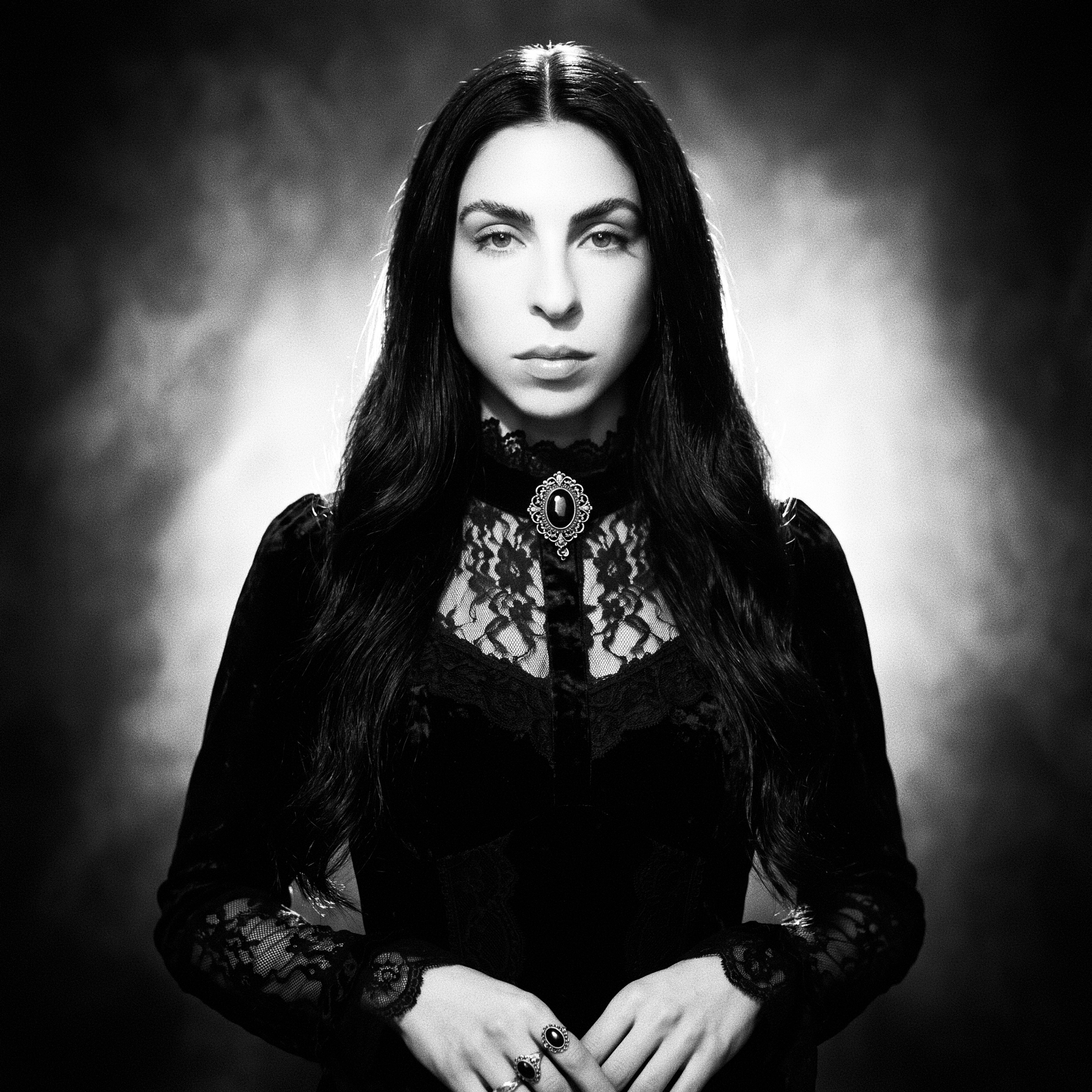
Three-frame monochrome portrait suite for Leah McCarthy, produced with the permission of the artist. Staged across Victorian mourning lace, the Autocollision wreck and a Cyberchurch 3.0 confession terminal.
Leah McCarthy
Image · 2026.07 →
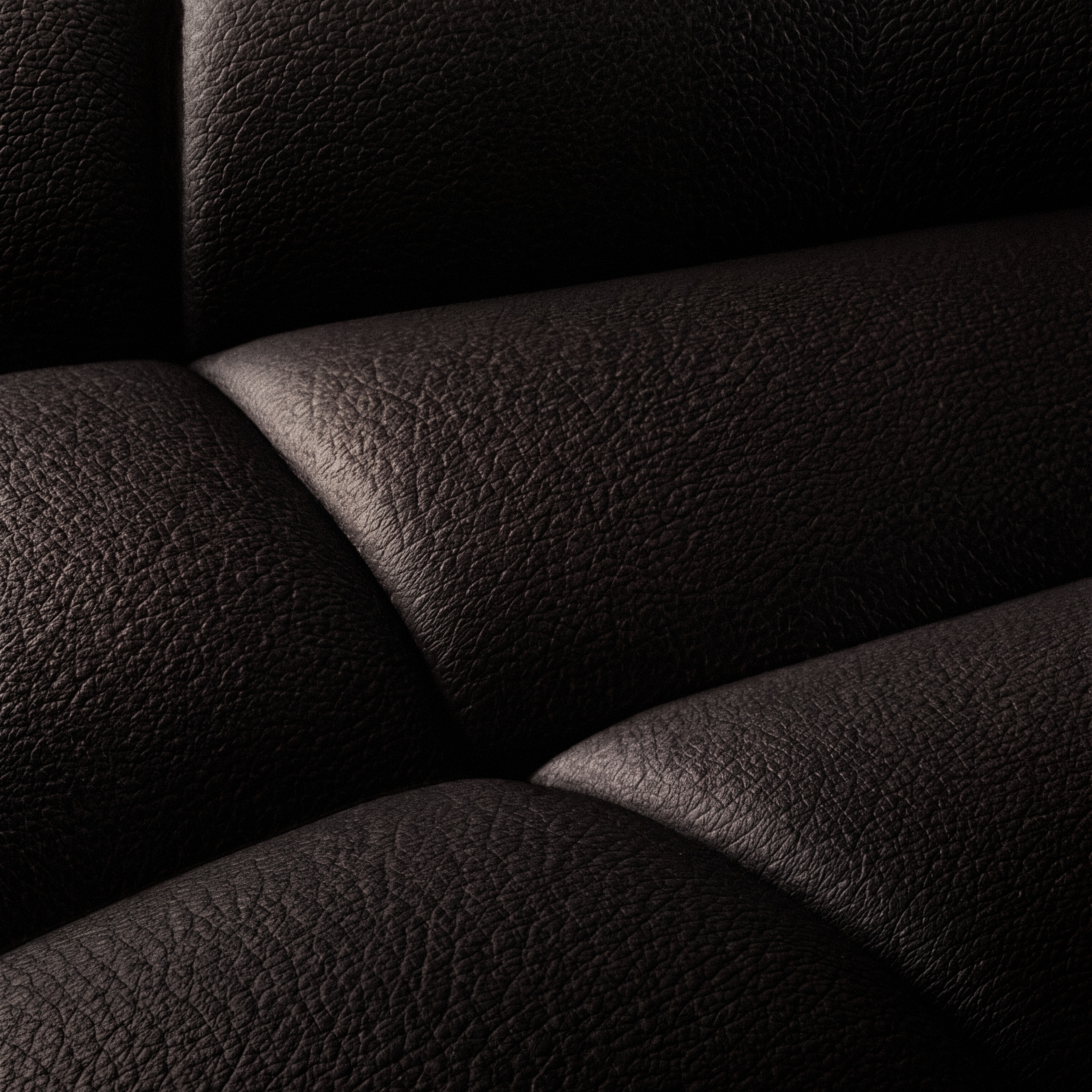
Pre-launch image layer for Stockholm furniture studio Godland and its debut object, the Caldera lounge chair – radial-quilted pebble-grain leather (101 × 70 cm, seat 38.5 cm) produced from the studio’s 3D model.
Godland · Caldera
Image · 2026.06 →
Studio Super Intelligence
Intelligence Matters is a creative studio led by Jacob Hägg, working across image, design and code. Based between Stockholm and Los Angeles.
Commissions and collaborations · studio@intelligencematters.se
Lineage
Jacob Hägg co-founded Brashy Studios with Axel Hägg in 2011. The women’s streetwear brand brought clothing, graphic design and photography into one practice. Active until 2020, its archive remains part of the work today.
Stocked by Colette & I.T · Profiled by T Magazine · MoMA Items: Is Fashion Modern?, 2017, p. 256.
Lineage



Selected Press · T Magazine / Vogue / i-D
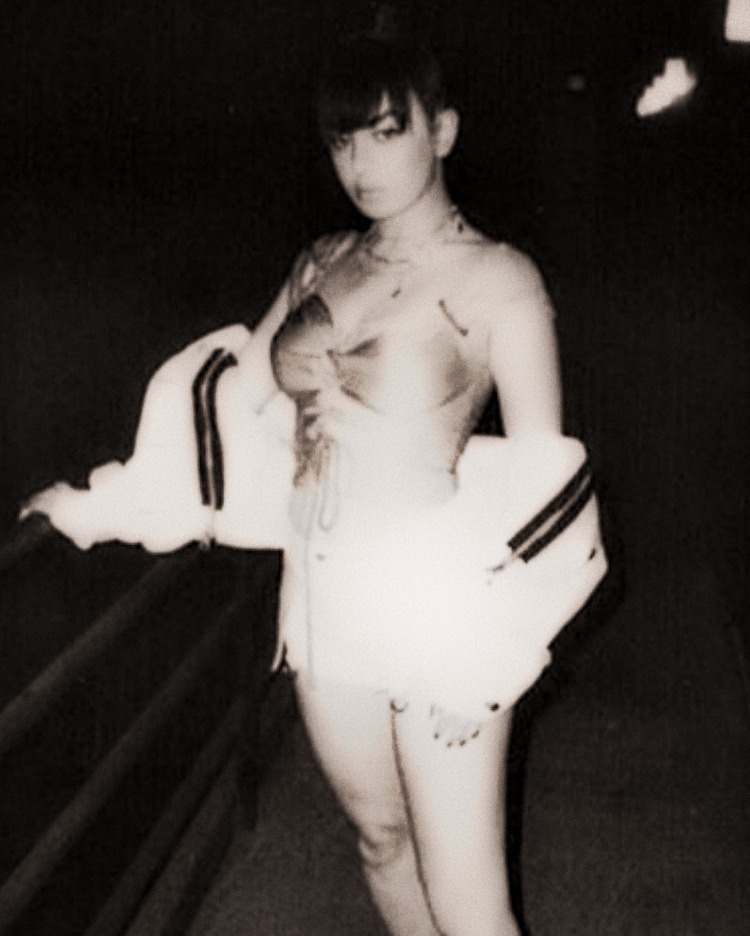
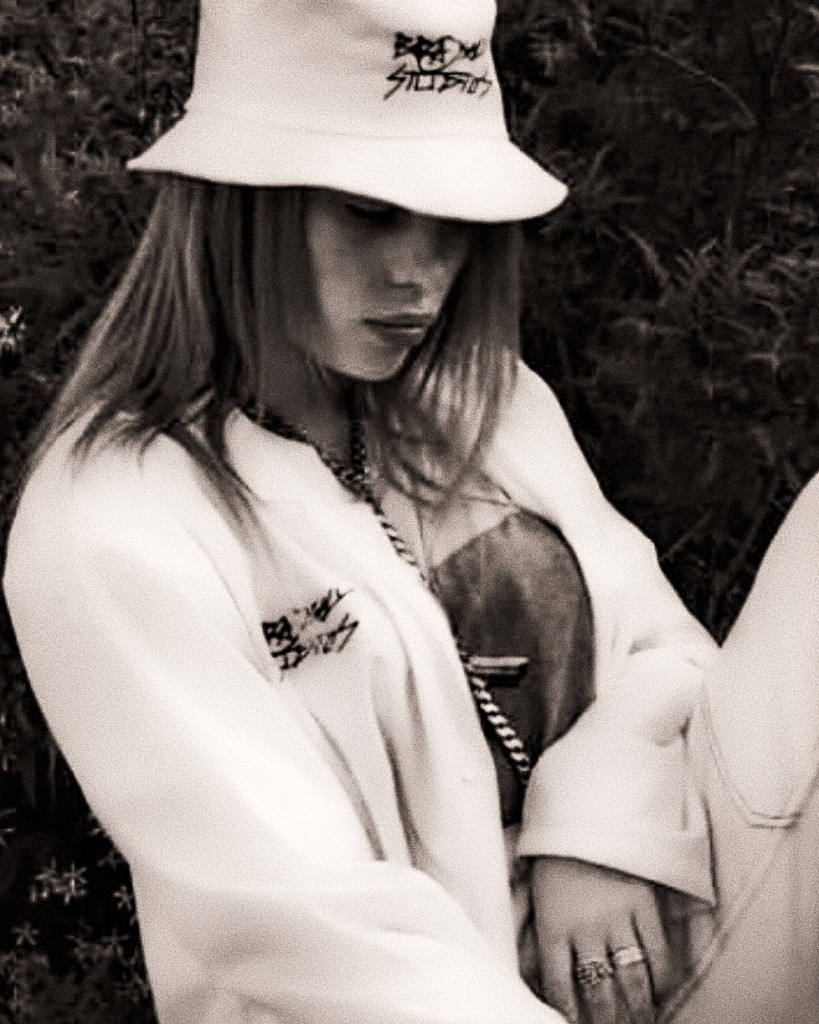
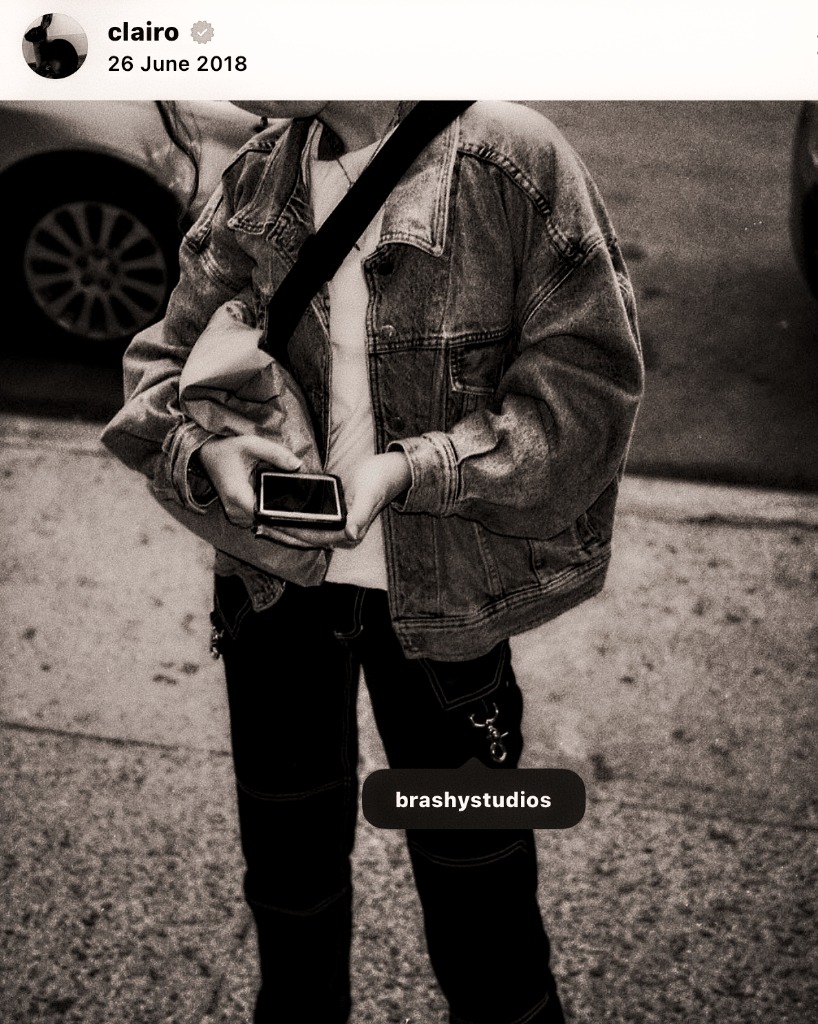
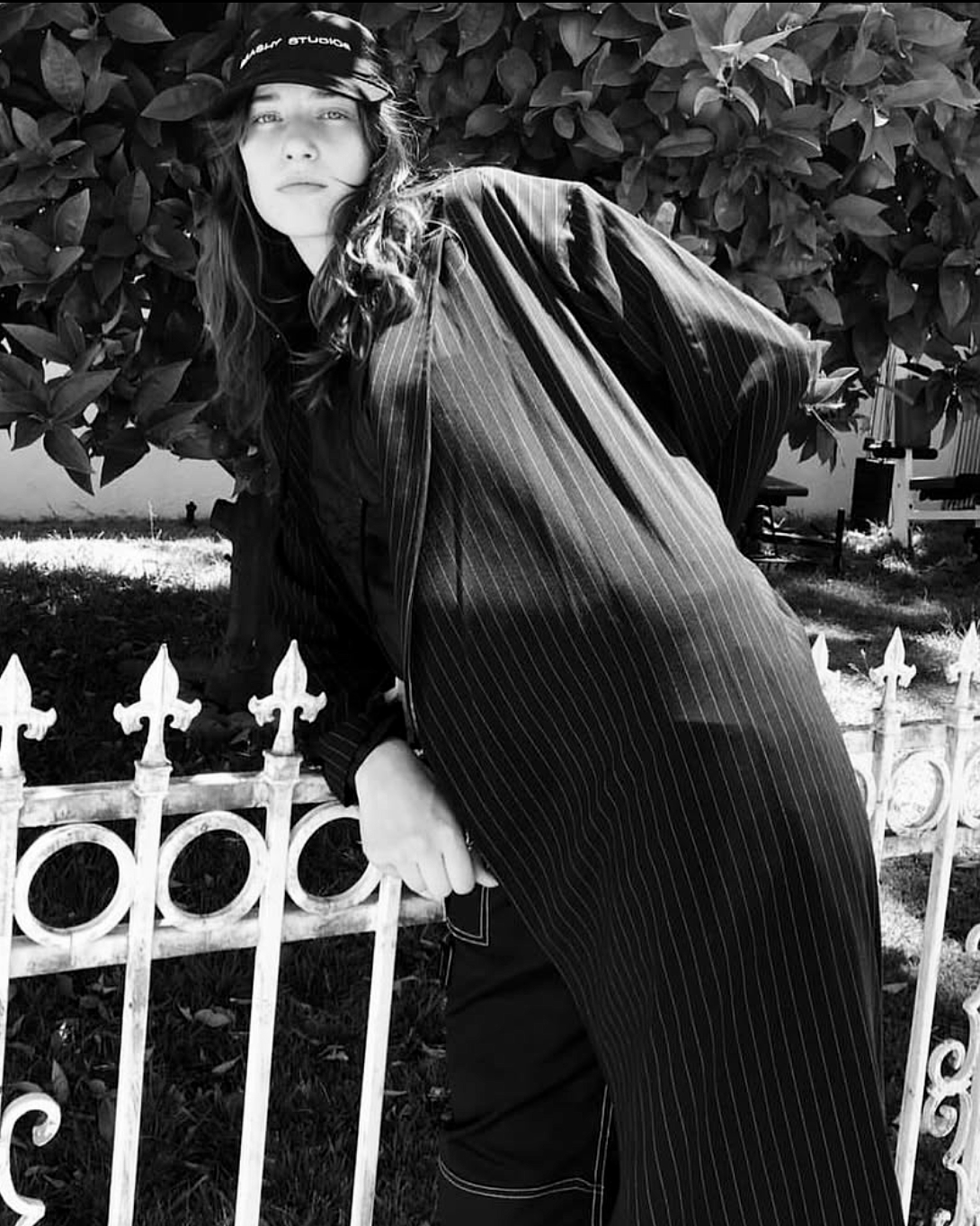
Brashy Studios · Charli XCX
About · 2011–2020 →